Roehampton house removals guide for Alton Estate residents

If you live on Alton Estate and a house move in Roehampton is on the horizon, you already know the job is more than boxes and a van. There are stairwells to think about, parking to line up, neighbours to keep in the loop, and the small reality of moving day: everything takes longer than you think it will. This Roehampton house removals guide for Alton Estate residents is here to make the whole thing feel less chaotic and a lot more manageable.
Whether you are moving a family home, a flat, or just a few large items, the key is planning. Good removals are rarely about luck. They come from timing, sensible packing, clear communication, and choosing the right level of help for your home and budget. Let's walk through it properly.
Why Roehampton house removals guide for Alton Estate residents Matters
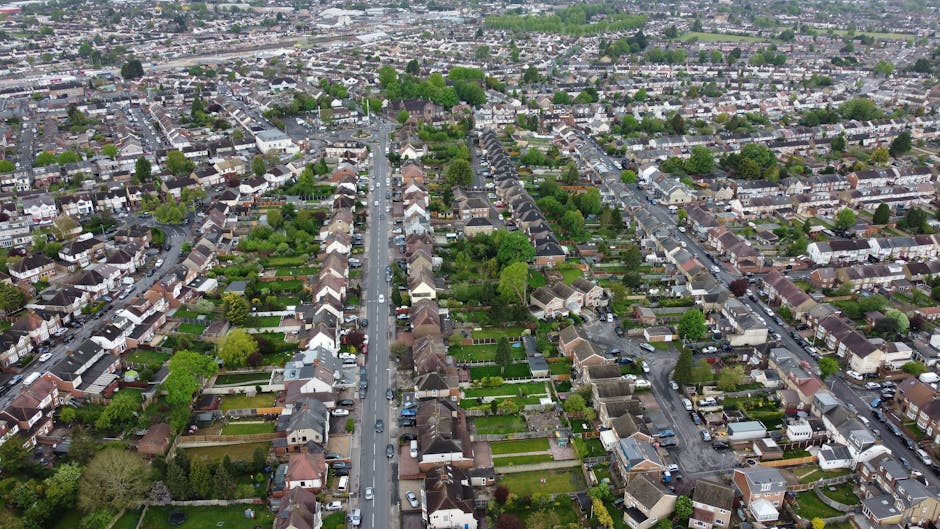
Alton Estate is a very particular kind of moving environment. You are often dealing with a mix of maisonettes, low-rise blocks, estate access routes, shared entrances, and the ordinary friction that comes with moving in a lived-in London neighbourhood. None of that is a problem on its own, but it does mean a generic moving checklist can fall short pretty quickly.
This guide matters because the details matter. A sofa that fits on paper may not turn nicely around a narrow bend. A parking spot that looked fine at 8 a.m. may be gone by 8:15. A simple two-bedroom move can become a long day if the packaging is weak or the lift access is not confirmed in advance. You probably know the feeling already.
It also matters because house removals are not just physical work. They are decision work. Do you want full packing support or just transport? Do you need a house removals service, or would a smaller vehicle and loading help from man and van make more sense? Are you moving a full home, a few bulky pieces, or combining the move with short-term storage? The right answer depends on your home, your timing, and how much heavy lifting you want to avoid.
Expert summary: For Alton Estate residents, the best house move is usually the one that matches access, volume, and timing first - not the one that simply sounds cheapest at the start.
How Roehampton house removals guide for Alton Estate residents Works
A good house move usually follows the same basic rhythm, but each home adds its own twist. In Roehampton, that twist is often access. The process normally starts with an assessment of what you need to move, then continues with packing, loading, transport, delivery, and unpacking or placement at the new property.
For a typical local move, the sequence looks something like this:
- Initial review: You list what is going, what is staying, and anything fragile, awkward, or especially heavy.
- Quote and planning: The mover estimates vehicle size, crew size, timing, and any special handling needs. Transparent pricing is easiest to trust, so it helps to look at pricing and quotes early rather than leaving it until the last minute.
- Packing stage: Boxes, labels, tape, covers, and protective wrap come into play. If you want help here, packing and boxes and packing and unpacking services can save a surprising amount of stress.
- Moving day loading: Items are taken out in a sensible order, usually with heavier items first and delicate items last.
- Transport and delivery: The team moves everything safely to the new address and places it where requested.
- Final checks: You confirm nothing was missed, damaged, or left behind in cupboards, lofts, or under beds. Those last pockets of forgotten stuff... they always exist.
Different homes need different levels of support. A compact flat move may work well with flat removals or a man with van arrangement. A larger family property may suit a fuller removal services package, especially if you want help with dismantling furniture, handling stairs, or managing a larger load.
Key Benefits and Practical Advantages
There are obvious benefits to using professional help, but the less obvious ones are often what people appreciate most after the move. The first is time. Packing and lifting always take longer than expected, and the final hour of a move can be the one where everyone starts to look a bit wilted.
Then there is reduced risk. Professional movers know how to angle furniture through tight spaces, protect floor coverings, and secure items properly in transit. That sounds simple. It isn't, really. A badly loaded van can turn a short trip into a wobble-fest, and nobody wants that.
Other practical advantages include:
- Less physical strain: especially useful if you have stairs, heavy wardrobes, or difficult beds to move.
- Better organisation: labelled boxes and clear room-by-room placement reduce unpacking chaos.
- Safer handling: useful for TVs, mirrors, glass tables, and sentimental items that cannot be replaced.
- Fewer delays: a planned team is much better than a last-minute scramble with borrowed car boots and hopeful optimism.
- Cleaner finish: if you are moving into a new property, a tidy and structured arrival makes the first evening much calmer.
For some households, the biggest advantage is simply peace of mind. You know who is arriving, what they are doing, and when it will happen. That certainty counts for a lot on moving day.
Who This Is For and When It Makes Sense
This guide is for Alton Estate residents who want a move that is planned rather than improvised. It is especially useful if you are:
- moving from a family house to another home in Roehampton or nearby
- leaving a flat or maisonette where stairs or access routes are a concern
- downsizing and need help deciding what to keep, sell, store, or remove
- moving with children and need a more structured day
- moving at short notice and need same-day or fast support
- relocating bulky furniture, a piano, or a mix of household items
It also makes sense if you are comparing move types. Not every job needs a large truck. Sometimes a focused removal van is the neatest fit. Sometimes the better option is a full removals team. And occasionally, if timing is tight, same-day removals can be the practical rescue plan.
If your move includes specialist items, the picture changes again. For example, a large upright piano is not a standard sofa-and-boxes job, and it should be treated as such. In that case, piano removals is the safer route. Truth be told, specialist handling can look more expensive at first, but it often prevents far costlier mistakes later.
Step-by-Step Guidance
Here is the practical version. No fluff, no theatre.
1. Sort the move into keep, store, donate, and dispose
Before any boxes are packed, decide what is actually going. Moving items you no longer need only adds time and weight. For furniture you are not taking, consider furniture removals or furniture pick up depending on what is being removed and where it is going. It is a small decision, but it affects the whole day.
2. Measure the awkward things first
Measure sofas, bed frames, wardrobes, fridges, and anything that might catch on corners or door frames. If you have moved before, you already know the slightly embarrassing truth: the item that causes the most trouble is rarely the one you worried about. It is usually a desk, radiator cover, or deep armchair with a stubborn angle.
3. Confirm access at both addresses
Think about parking, lift access, stair width, entrance height, and whether the vehicle can stop close enough to load safely. On estates and in residential streets, this is often where the schedule succeeds or falls apart. Ask yourself: can the van get near the door without blocking others? If not, allow extra time.
4. Pack by room and label clearly
Write the room on each box and add a short contents note. "Kitchen - mugs, kettle, tea towels" is far better than "misc." You will thank yourself later. If packing feels overwhelming, a more hands-on option like packing and unpacking services can reduce the load dramatically.
5. Protect fragile and high-value items
Use wrapping, padding, and proper cartons. If you have mirrors, artwork, monitors, or framed photos, make them a separate category. Tell the movers about them before loading starts, not after. That little conversation saves a lot of tension.
6. Choose the right moving support
If you are moving a smaller load, compare man and van, man with a van, and fuller home moving support. For a bigger family move, home moves or house removalists may be more suitable. The right service is the one that matches the work, not the one with the most impressive-sounding label.
7. Prepare the new home before arrival
Make sure keys are ready, rooms are cleared, and there is somewhere obvious for boxes to go. A bit of floor space near each room entrance helps. So does a kettle, if we are being honest. First cuppa at the new place can feel oddly important.
Expert Tips for Better Results
After enough moves, a few habits become painfully obvious. The people who stay calm are usually the ones who prepared for the unglamorous bits.
- Pack a first-night bag: include chargers, medication, toiletries, snacks, and one change of clothes.
- Photograph cable setups: TVs, computers, and routers are much easier to reconnect when you have a visual reference.
- Use colour labels: one colour per room can speed up unloading nicely.
- Keep essentials separate: keys, documents, wallet, pet supplies, and any work laptop should travel with you.
- Defrost appliances in advance: fridges and freezers can become messy if left too late.
- Book early where possible: the best dates go fast, especially toward month-end and during school holidays.
One small but helpful trick: leave a visible "do not load" zone in the property. A couple of boxes or a strip of tape can prevent accidental loading of things that still need to stay. Sounds simple. Works surprisingly well.
If you are moving on a tight schedule, a moving truck or removal truck hire arrangement may make more sense than trying to squeeze a bigger home into a too-small vehicle. Under-sizing is one of the most common self-inflicted headaches.
Common Mistakes to Avoid
Most moving problems are preventable. Not all of them, but most. Here are the repeat offenders.
- Leaving packing until the night before: this usually creates broken boxes, missing items, and a very bad mood.
- Ignoring access details: if the mover cannot park close, the whole job becomes slower and more expensive.
- Using weak boxes: old supermarket boxes can collapse under weight, especially with books.
- Overfilling boxes: a box that is too heavy becomes difficult to lift and easier to damage.
- Not separating essentials: if you cannot find tea, phone chargers, or keys, the first evening feels twice as long.
- Forgetting to check insurance and safety details: this is where peace of mind lives.
Another common issue is assuming all movers work the same way. They do not. Some provide very hands-on help, others are more transport-led. A quick look at insurance and safety can help you understand what support sits behind the booking, which matters more than people sometimes realise.
And yes, one more thing: don't pack your kettle where you won't see it again. That is the sort of mistake that leads to a strange kind of emotional hunger by 7 p.m.
Tools, Resources and Recommendations
You do not need a mountain of equipment, but a few practical basics make a real difference.
| Tool or resource | Why it helps | Best for |
|---|---|---|
| Strong double-walled boxes | Protects heavier items and reduces collapse risk | Kitchenware, books, mixed household items |
| Packing tape and dispensers | Keeps boxes secure and speeds up sealing | Every room |
| Labels or coloured stickers | Makes unloading faster and clearer | Room-by-room organisation |
| Furniture blankets or covers | Reduces scuffs on wood, fabric, and painted surfaces | Wardrobes, tables, sofas |
| Storage plan | Gives breathing room if dates do not line up perfectly | Delayed completions, downsizing, staging |
For residents who are still comparing service levels, it can help to look at the broader picture rather than one label alone. Removal companies may offer a full team-led service, while removal van hire suits smaller or simpler jobs. If you need to buy time between homes, storage can bridge the gap without forcing a rushed decision.
If your move overlaps with work changes, a home relocation can sometimes sit alongside business admin, too. In that case, office removals and commercial moves are worth knowing about, even if you are only moving a home now. Life has a habit of stacking things together, doesn't it?
Law, Compliance, Standards, or Best Practice
For a home move, most of the practical expectations are about duty of care, safe handling, and clear communication rather than complicated legal procedure. Still, a sensible mover should operate in line with recognised UK industry norms around vehicle safety, load security, customer information, and insurance awareness.
From your side, good practice is straightforward:
- share access constraints honestly
- declare fragile or high-value items
- ask how your belongings are handled in transit
- read the terms and conditions before booking
- check the provider's approach to payment and security
- use the published privacy policy if you want to understand how your data is handled
It is also sensible to look at the business side of the service. The company background in about us helps you judge whether the mover feels established and transparent, while the health and safety policy shows how they think about risk and care on moving day.
That may sound a bit formal for a house move, but it really isn't. The best moving day is often the one where the boring, responsible bits were done quietly beforehand.
Options, Methods, or Comparison Table
Here is a simple comparison to help Alton Estate residents choose the right approach without overcomplicating it.
| Option | Best for | Advantages | Watch out for |
|---|---|---|---|
| Man and van | Small moves, a few bulky items, lighter loads | Flexible, often efficient, good for local jobs | May be too small for full homes |
| Removal van | Moderate-sized household moves | More capacity than a standard van | Needs accurate volume estimates |
| Full removals team | Whole-house moves, stairs, large furniture, family homes | More support, faster loading, less physical strain | Usually costs more than a simple van-only booking |
| Same-day removals | Urgent moves or schedule changes | Speed and flexibility | Limited availability |
| Storage plus removals | Delayed completions or downsizing | Lets you move in stages | Extra planning and cost |
My honest take? If you are unsure, start with the size and access of your property, not the label. The label comes second. A big mistake is choosing by name alone and then discovering the van is too small or the crew is not set up for the building layout.
Case Study or Real-World Example
Here is a realistic example based on the sort of move Alton Estate residents often face.
A couple in a two-bedroom maisonette in Roehampton were moving to a nearby house with slightly better storage but similar access challenges. They had a sofa, dining table, two beds, several shelving units, a washing machine, and around forty boxes. Nothing dramatic, but enough to make the day feel full.
At first, they thought a small van would do. After measuring the furniture and checking the access at both ends, it became clear that a larger vehicle and a fuller crew would save time and reduce the risk of repeated trips. They also booked packing and boxes support for the more fragile items and used furniture removals for a few pieces they no longer wanted in the new place.
The key change was simple: they planned around the building, not around wishful thinking. On moving day, the loading took longer than they expected because of the stairs, but the rest ran smoothly. No panic. No last-minute van hunting. No mysterious pile of "where does this go?" in the hallway. Which, to be fair, is a small victory but a real one.
The takeaway is not that every move needs a big service. It is that the right setup depends on the shape of the move itself. That sounds obvious when written down. In practice, people often miss it until they are standing in the doorway.
Practical Checklist
Use this the week before your move. It keeps the day grounded.
- Confirm moving date, time, and access details
- Book the right service level for the amount you are moving
- Finish decluttering and separate donation or disposal items
- Gather boxes, tape, labels, and protective wrap
- Pack fragile items with extra care
- Set aside documents, keys, chargers, and medication
- Arrange parking or loading access where possible
- Defrost fridge and freezer if needed
- Disassemble furniture that cannot safely travel assembled
- Keep a first-night bag with essentials
- Walk through every room before leaving
- Check all cupboards, loft spaces, under beds, and storage spots
If you want a smooth finish, the small things matter more than the dramatic ones. A labelled cable bag. A clear hallway. A kettle where you can find it. That sort of thing.
Get a free quote today and see how much you can save.
Conclusion
Moving home on Alton Estate does not need to feel overwhelming. Once you look at access, volume, packing, timing, and the type of help you actually need, the whole thing becomes much easier to control. That is really the heart of this guide.
For some residents, a simple van and a few hours of careful loading will be enough. For others, a fuller removals service, storage support, or specialist handling will be the better call. Either way, the smartest move is the one built around your actual home and your actual day, not a generic idea of what moving "should" look like.
Plan early, keep it practical, and give yourself a bit of breathing room. Moving is tiring, yes, but it can also be the beginning of something lighter and better. And that part is worth making room for.
Frequently Asked Questions
What is the best type of removals service for Alton Estate residents?
The best service depends on how much you are moving and how easy access is at both properties. Smaller loads may suit a man and van setup, while larger or more complex moves usually need a fuller removals team.
How far in advance should I book a house move in Roehampton?
As early as you can, especially if you are moving at month-end, during school holidays, or on a weekend. Early booking gives you more choice and reduces the chance of paying extra for a rushed arrangement.
Do I need packing help or can I do it myself?
You can do it yourself if you have the time and decent packing materials. If you are short on time, moving with children, or packing fragile items, professional packing and unpacking services can save a lot of stress.
Is storage useful during a move from Alton Estate?
Yes, especially if completion dates do not line up neatly or you are downsizing. Storage can give you breathing room rather than forcing everything into one rushed moving day.
What should I do with furniture I am not taking?
You can arrange furniture removal or furniture pick up if you want items taken away separately. That is often easier than trying to move unwanted pieces only to deal with them later.
How do I know if I need a removal van or a full removals team?
Think about volume, stairs, heavy furniture, and how much loading help you need. If the move involves several large items or a full household, a full removals team is usually the safer choice.
Can same-day removals work for a Roehampton move?
They can, but availability is the main issue. Same-day removals are best used for urgent situations or unexpected changes, not as a default plan.
What items need special handling?
Pianos, glass tables, mirrors, artwork, and some electronics need extra care. If you have a piano, specialist piano removals is the sensible option rather than standard loading.
How can I make moving day easier in a block or estate setting?
Confirm access in advance, keep hallways clear, label everything well, and tell the movers about any restrictions. A bit of organisation at the start saves a lot of running around later.
Should I read terms and insurance details before booking?
Yes. It is a small job compared with the move itself, but it is worth it. Terms and conditions, insurance and safety information, and payment security details all help you understand what to expect.
What is the main mistake people make when moving from Roehampton?
Underestimating the time and access issues. People often plan only for the contents of the home and forget about parking, stairs, lift use, and the odd awkward item that changes the whole tempo of the day.
Where can I learn more about the company before booking?
You can look at the company's about page, policies, and service pages to get a clearer sense of how they work. That is often enough to tell whether the fit feels right for your move.